How to Sleep Better in Winter: 7 Habits to Start This Daylight Savings Weekend
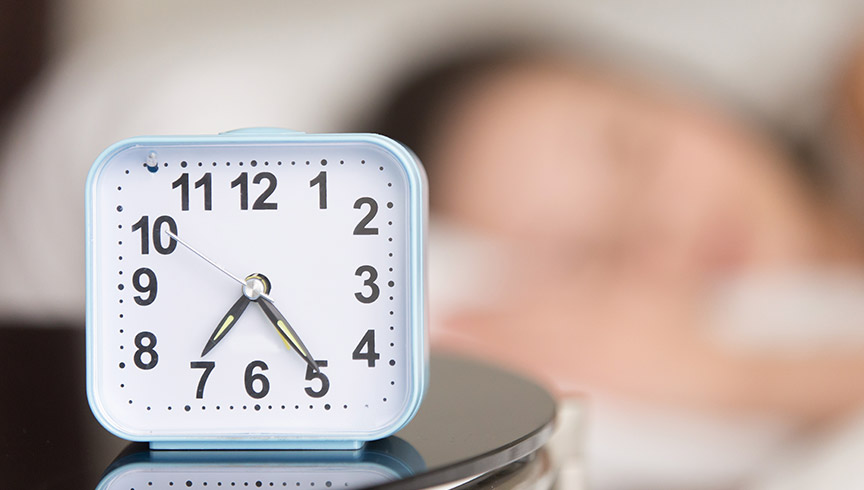
Daylight saving time ends Nov. 1. Here are 7 simple habits to help you sleep better, keep your energy up, and feel like yourself all winter.

The clocks fall back this Sunday, November 1. You'll probably enjoy the extra hour, though most people only end up sleeping about half of it. Either way, by Wednesday nobody will be talking about it.
What we will be talking about is the dark. If you've lived through a Puget Sound winter, you know how it goes. Gray mornings, 4:30 sunsets, and that heavy, slow feeling that settles in somewhere around mid-November.
We can't do much about the weather. We can do a lot about how well we sleep through it, though, and this weekend is a good excuse to start. Here are seven habits worth trying.
1. Ease Into the Time Change
Your body clock doesn't love big jumps, but it handles small ones just fine. So instead of taking the whole hour at once on Sunday, start Thursday or Friday and push your bedtime back 15 or 20 minutes each night. By the weekend, you're basically there.
The same trick works later in the season, too, whether it's a late flight home for the holidays or getting back on schedule in January. Big shifts can linger for days when we take them all at once.
2. Wake Up at the Same Time Every Day
If you only take one thing from this article, make it this. A consistent wake time anchors everything else. Your body learns when the day starts, and it gets much better at knowing when to wind down at night.
Yes, weekends too. Pick a time you can actually live with, and hold it on Sunday and Monday even if Saturday night got away from you. Sleeping in feels great for about an hour and then throws off the next two nights.
3. Get Outside First Thing in the Morning
Light is how your brain sets its clock, and morning light does most of the work. A few minutes of it tells your body the day has started, which helps you feel awake now and sleepy at the right time later.
And yes, gray skies count. Even an overcast Northwest morning is brighter than most indoor lighting. Take your coffee out on the porch, walk the dog before work, or park a little farther from the door. Ten or fifteen minutes within an hour of waking is plenty.
4. Don't Miss the Afternoon Light
This one sneaks up on people. Once sunset hits 5 p.m., it's easy to go from a dim office to a dark drive home without really seeing the sun at all. That lost afternoon light is one reason researchers think mood tends to dip after the clocks change.
The fix is simple, if a little unglamorous. Put a walk on your calendar around lunchtime and treat it like a real appointment. Twenty minutes outside in the middle of the day makes a bigger difference than you'd expect.
5. Turn the Lights Down After Dinner
The long, dark evenings are actually on your side here. Darkness is your body's cue to start winding down, as long as you don't cancel it out with bright overhead lights and a phone six inches from your face.
After dinner, switch to lamps, and use the warmer settings if you have them. Then try to put the screens away 30 minutes to an hour before bed. A book, a bath, a podcast with the lights low. Whatever actually helps you relax.
6. Skip the Couch Nap
You know the one. It's 7:30, it's been dark for hours, and the couch is calling your name. It feels amazing for 45 minutes, and then you're wide awake at 11.
When the slump hits, move a little instead. Walk around the block, stretch, or load the dishwasher. If you really need a nap, keep it short and take it earlier in the afternoon so it doesn't eat into your night.
7. Check In With Yourself
Feeling a bit flatter as the days get shorter is really common. It's also not something you have to white-knuckle until spring.
Pick one evening a week (Sunday works well) and ask yourself a few honest questions. How am I sleeping? How's my energy? How am I actually feeling? If the answers keep trending down for a couple of weeks, that's worth a conversation with your provider. And don't underestimate the basics. Time with people you like, time outside, and moving your body all help more than we give them credit for.
The Bigger Picture
None of this is complicated, and honestly, that's what we like about it. Good sleep isn't built in one night. It's the pattern you keep for years that counts, and people who regularly get too little sleep tend to live shorter lives. That's why we put sleep right alongside movement, nutrition, and stress when we talk about longevity.
But if you're doing all of this and still waking up at 3a.m., or you're tired no matter how much you sleep, it might not be a habit problem at all. Sleep is closely tied to your hormones, thyroid, blood sugar, and stress levels. Sometimes the answer shows up in your labs.
This article is for general education and isn't a substitute for personal medical advice. If you're dealing with ongoing sleep problems or changes in mood, please talk with your healthcare provider.


Conclusion

View Citations/References
Stay in the Loop